Skip to content
International Adviser
  • Contact
  • Login
  • Subscribe
  • Regions
    • United Kingdom
    • Middle East
    • Europe
    • Asia
    • Africa
    • North America
    • Latin America
  • Industry
    • Tax & Regulation
    • Products
    • Life
    • Health & Protection
    • People Moves
    • Companies
    • Offshore Bonds
    • Retirement
    • Technology
    • Platforms
  • Investment
    • Equities
    • Fixed Income
    • Alternatives
    • Multi Asset
    • Property
    • Macro Views
    • Structured Products
    • Emerging Markets
    • Commodities
  • IA 100
  • Best Practice
    • Best Practice News
    • Best Practice Awards
  • Media
    • Video
    • Podcast
  • Directory
  • My IA
    • Events
    • IA Tax Panel
    • IA Intermediary Panel
    • About IA

ANNOUNCEMENT: Read more financial articles on our partner site, click here to read more.

SIGN IN INTERNATIONAL ADVISER

Access full content on the International Adviser site, access your saved articles, control email preferences and amend your account details

[login-with-ajax]
Not Registered?

5 steps to deal with market volatility

By Kirsten Hastings, 7 Feb 18

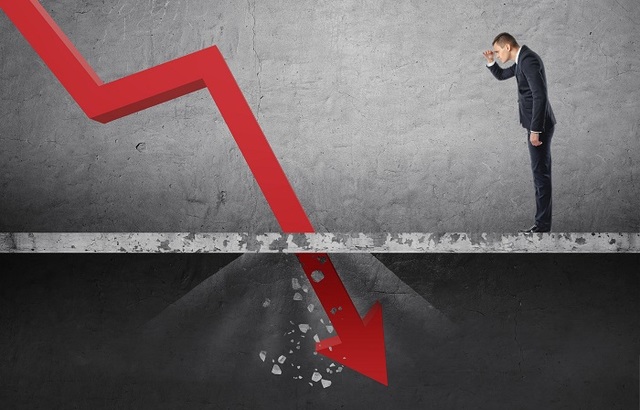
With low volatility having been the norm for nearly three years, the sharp drop experienced by global markets earlier this week awakened some fight or flight responses. AJ Bell offers five lessons to help investors cope with market volatility.

If you think this is volatility, you haven’t seen anything yet
Gallery

123456

If you think this is volatility, you haven’t seen anything yet

“While Monday’s 1,175-point drop in the Dow Jones Industrials was the biggest fall on record in terms of points, it was nowhere close in percentage terms.

“The US index may have lost ‘just’ 508 points on Black Monday in October 1987 but that equated to a 23% drop. And a mere 38-point plunge on Black Monday in 1929 meant a 13% drop, as part of a crushing string of downward movements which comprised the Crash of that year, so some context must be maintained.

“The US has seen four days already in 2018 when the S&P 500 index moved up or down by more than 1% during a trading day. It managed that just eight times in 2017 but it managed it 137 times in 2008, when the market last crashed – that is more than one such change for every two days.

“Markets do best when they are relatively calm.  However, it is worth noting that extreme volatility can be a buy signal and an increase in volatility in 1998-2000 and 2005-07 did not prevent further gains, although the build-up did herald an eventual smash.

“If history repeats itself then markets could become a lot wilder, even if they could still advance further before they finally hit the wall.”

Tags: AJ Bell | Investment Strategy | Volatility

Share this article
Follow by Email
Facebook
fb-share-icon
X (Twitter)
Post on X
LinkedIn
Share

Related Stories

  • Industry

    Skybound Wealth unveils dedicated cross-border support desk within Athletes & Creators division

    Will inflation remain absent?

    Investment

    Bank of England set to stress test private markets

  • Dr Lisa Lim

    Asia

    Rathbones AM launches new Asia ex-Japan fund

    rachel-reeves

    Investment

    Kingsley Napley: High tax Budget hits middle classes more than high-net-worths


NEWSLETTER

Sign Up for International
Adviser Daily Newsletter

subscribe

  • View site map
  • Privacy Policy
  • Terms and Conditions
  • Contact

Published by Money Map Media – part of G&M Media Ltd Copyright (c) 2024.

International Adviser covers the global intermediary market that uses cross-border insurance, investments, banking and pension products on behalf of their high-net-worth clients. No news, articles or content may be reproduced in part or in full without express permission of International Adviser.