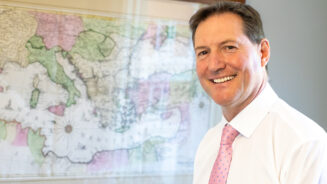
John Kaye, managing director of Cigna GHB Europe, spoke to International Adviser about global markets, current trends, and the challenges of providing affordable access to healthcare.
Do people understand the level of health cover they require when working abroad?
Employees often believe the healthcare in their home location can be replicated in a host country. With our help, companies have become more attuned to their employees’ needs.
One of the reasons Cigna is so successful is that we do not just wait until someone becomes ill and needs our services. We provide support in the pre-deployment phase. We make sure we have the right hospital network, 24-hour access, multi-language call centres and so on.
The people that engage with us are often concerned about a particular issue, such as a chronic condition, they are managing at home. When they get to their host location, they need help to manage it there.
"There are a lot more people employed outside their home country than 10 years ago, and that is expected to double over the next decade."
We paid claims in 150 currencies last year, which gives you an idea of the number of different healthcare systems we are interacting with. But we do not just pay claims. We are helping people to manage their health.
How is Cigna adapting to the trend away from all-inclusive expat packages?
The main reason for someone to buy our solution is to get access to quality care wherever they are in the world, so the underlying need is still there. The individual is provided with the benefits whether they are buying it themselves or the company is providing it.
The market is changing but there are still a lot of constants. People still need access to quality care. We have a strong footprint and can take a global solution and make it more relevant for regional populations.
What is the typical scenario where a client will need your help?
We cover people in more than 100 countries, so we probably have 20, 30 or 40 ‘typical scenarios’. The important thing in each case is that the individual knows what to do.
We tell them, as part of the pre-assignment, what the healthcare system and emergency services look like [in their new location]. We help companies to educate employees about what to do in the event of a problem. We encourage people to call us because we can help smooth the process.
If it is something general, there may be an outpatient or general practitioner they can visit. At that point, the individual often incurs a cost. We will try to settle the cost directly with the facility, but sometimes they may pay out of pocket and make a claim.
If there is a referral to a specialist, we can really make a difference as case managers get involved. If we are speaking with the healthcare provider, that takes one of the worries away from the individual.
What global trends are shaping the sector?
The ageing populations and the prevalence of chronic conditions, which are approaching half of all reported medical conditions, put pressure on the ability of companies and countries to provide access to quality care.
With 90 million customer relationships worldwide and 39,000 employees deployed globally, Cigna is uniquely placed to play a part in helping people understand the global health trends that are straining economies, individuals and companies.
How are you keeping care affordable?
Adapting products to lighten costs is one way, which we do to meet the market’s needs. But we also do a lot on prevention, how we operate with our hospital networks, the financial agreements we have with them and the case management we apply. This all feeds into that cost containment but does not impact the customer experience.
We are trying to have better outcomes that will reduce costs, which is more sustainable than transferring costs on to individuals by denying benefits or setting limits [on care]. Prevention is overlooked by a lot of health insurance providers.
So how does prevention work in practice?
The pre-assignment help around prevention is key. If you look at an individual and what they need, you can really focus your prevention efforts.
We spend time making sure people know the availability of the drug therapies they may be currently using, for example. Or if they have a respiratory condition, we might advise they avoid going out at certain times of day in polluted cities.
We also do a lot around disease management. If someone has a chronic condition, a management programme can help them cope with, or even improve, that condition. This focus on the individual is a common thread across every plan we offer.
We also have programmes helping employers with more general populations. Using our global footprint and knowledge of customers and environments, we are building more relevant wellness programmes.