Skip to content
International Adviser
  • Contact
  • Login
  • Subscribe
  • Regions
    • United Kingdom
    • Middle East
    • Europe
    • Asia
    • Africa
    • North America
    • Latin America
  • Industry
    • Tax & Regulation
    • Products
    • Life
    • Health & Protection
    • People Moves
    • Companies
    • Offshore Bonds
    • Retirement
    • Technology
    • Platforms
  • Investment
    • Equities
    • Fixed Income
    • Alternatives
    • Multi Asset
    • Property
    • Macro Views
    • Structured Products
    • Emerging Markets
    • Commodities
  • IA 100
  • Best Practice
    • Best Practice News
    • Best Practice Awards
  • Media
    • Video
    • Podcast
  • Directory
  • My IA
    • Events
    • IA Tax Panel
    • IA Intermediary Panel
    • About IA

ANNOUNCEMENT: Read more financial articles on our partner site, click here to read more.

SIGN IN INTERNATIONAL ADVISER

Access full content on the International Adviser site, access your saved articles, control email preferences and amend your account details

[login-with-ajax]
Not Registered?

standard chartered looks to

18 Mar 13

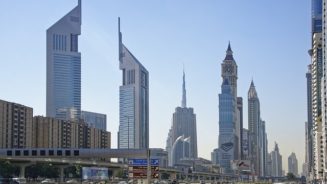
Standard Chartered Bank is to use Dubai as a hub to build on growing trade between emerging markets, with plans for more regional expansion in Africa and the Middle East, a top executive at the company has said.

Standard Chartered Bank is to use Dubai as a hub to build on growing trade between emerging markets, with plans for more regional expansion in Africa and the Middle East, a top executive at the company has said.

Dubai is seen as a growing financial hub for cross-border trade and investment, Viswanathan Shankar, the bank’s chief executive for Europe, the Middle East, Africa and the Americas, said in a recent interview with the Financial Times.

London-listed Standard Chartered, which is focused on emerging markets and has reported 10 consecutive years of profit, said trade income grew 22%  last year.

According to Shankar, the bank’s position in the world is ideal for the sharp rise of non-western trading activity between emerging economic blocs. This activity, he said, can be seen in China’s trade with Africa, India’s with Africa, and that of Latin America with both India and Africa.

"Where there is trading growth, these are our markets," Shankar told the FT.

"We have spent time and effort building a trade and cash management platform focusing on cross-border income."

According to Shankar, the bank’s established position in sub-Saharan Africa has resulted in income growth of 25% in that region, as the world realises Africa’s potential for corporate growth and increased consumer spending.

Standard Chartered’s main rivals in Africa are seen as Barclays and Standard Bank, but Shankar said no other bank was better positioned than StanChart to exploit the continent’s growth story.

In the UAE, where Shankar is based, Standard Chartered staff numbers have increased fivefold, he reported.

The bank is a lender to Dubai,  as it rebuilds its economy after the 2009 downturn. Shankar said the bank has plans to expand into Iraq, where security is seen to be improving.


 

Tags: Dubai | Standard Chartered

Share this article
Follow by Email
Facebook
fb-share-icon
X (Twitter)
Post on X
LinkedIn
Share

Related Stories

  • Asia

    Why AES International is attracting the next generation of financial advisers  

    Investment

    Capital International to open Dubai office

  • Peter Clark

    Companies

    Wealth manager Bentley Reid opens Dubai office

    Hoxton

    Financial planning

    Hoxton Wealth partners with Squirrel Education for student training day


NEWSLETTER

Sign Up for International
Adviser Daily Newsletter

subscribe

  • View site map
  • Privacy Policy
  • Terms and Conditions
  • Contact

Published by Money Map Media – part of G&M Media Ltd Copyright (c) 2024.

International Adviser covers the global intermediary market that uses cross-border insurance, investments, banking and pension products on behalf of their high-net-worth clients. No news, articles or content may be reproduced in part or in full without express permission of International Adviser.