The most common mistake wealthy families make isn’t about how much they’ve accumulated. It’s about what they do next. The right strategy at $1m is the wrong strategy at $20m, and applying yesterday’s thinking to today’s wealth level quietly costs families millions.
After two decades working with high-net-worth families across Asia, the Middle East, and Africa, the pattern is consistent. Net worth is only half the story. How you structure, manage, and think about that wealth determines whether it genuinely serves your life.
Most portfolios are less efficient than their owners believe
Technology has largely solved the mechanics of investing. Tools like a Spider Web analysis score portfolios out of five, measuring costs, diversification, cash drag, and expected returns. The rounder the result, the more efficient the portfolio.
I’ve run this analysis on portfolios held at some of the world’s most recognisable private banks. One recent example scored 3.0 out of five. The expected performance drift against a more optimised portfolio? 4.24% per year. Compounded over decades, that’s not a rounding error. It’s often millions. Most investors simply don’t know how to get a second opinion on what they hold, or what the cost of staying put actually is.
The real value of working with a fiduciary isn’t stock selection. Software handles that better than any human. It’s in the planning, the structuring, and the counsel around decisions that compound quietly over a lifetime.
Up to $1m: the trap is lifestyle, not investment
The most common mistake at this stage is overspending on big-ticket items while failing to build multiple income streams. Luxury cars and holidays feel like rewards. Often, they’re the reason clients’ cashflow doesn’t keep pace with their ambitions.
The mindset that works is straightforward: focus on income-producing assets that outpace inflation, keep learning, and resist the upgrade cycle. This foundation determines how quickly, and how confidently, you climb from here.
$1m to $5m: what got you here won’t get you there
Many people stay loyal to the strategies that built their first million. At this stage, that’s a liability. Growth now requires access to institutional-grade investments and a sharper focus on equity upside, whether through business partnership or other structures.
The risks are chasing speculative returns, or sinking significant capital into a primary residence without running the numbers on whether that’s the most efficient use of it. Disciplined capital allocation, not momentum, defines progress at this stage.
$20m: success creates new blind spots
At this level, many clients believe their track record makes them resilient. It doesn’t. Concentrated business holdings, overlooked personal liabilities, and family dynamics are the real risks, and they rarely appear on a balance sheet.
The questions become harder too. Sell the business or scale it? Stop climbing and start enjoying? The stakes are higher, the decisions more consequential, and the cost of getting it wrong isn’t just financial. Healthy vigilance, genuine diversification, and anticipating risks before they materialise are what separate families who protect their wealth from those who quietly erode it.
$100m+: the non-financial priorities dominate
I’ve worked with extremely wealthy families where the members weren’t living the life they wanted. At this level, the assumption that money solves everything is the central risk.
Relationships, health, and purpose matter more here than any portfolio decision. Divorce, lawsuits, and shifting motivations can erode wealth faster than markets ever could. The opportunity, by contrast, is significant. Philanthropy, legacy planning, and multi-generational impact all become available. But only to families who’ve structured their lives, not just their capital, for the long term.
What to tell your clients
The number matters less than most people think. What matters is clarity: knowing the objective, understanding the risks specific to that wealth stage, and structuring accordingly.
A useful question to put to any client, regardless of where they sit on the wealth ladder: “Are you confident the strategy you’re following today is the right one for your current stage, or is it the one that got you here?” Those are often very different answers.
Watch the full analysis here:
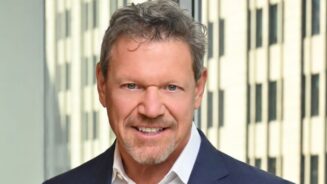
Sam Instone is CEO of AES International, the only CEFEX-certified fiduciary firm across the Middle East, Asia, and Africa.
Capital at risk. Any examples used are for illustrative purposes only, and you may get less back than the figures shown. Any financial promotions are intended for information purposes only and do not constitute an offer to invest or provide personal financial advice or tax advice. We do not take any responsibility for third-party websites and content linked to from this channel. Issued on behalf of AES Middle East Insurance Broker LLC, registered with the Ministry of the Economy, licence 571368, commercial registration 75162, regulated by the UAE Central Bank, licence no. 189. This material is intended for Retail Clients within the UAE.