Skip to content
International Adviser
  • Contact
  • Login
  • Subscribe
  • Regions
    • United Kingdom
    • Middle East
    • Europe
    • Asia
    • Africa
    • North America
    • Latin America
  • Industry
    • Tax & Regulation
    • Products
    • Life
    • Health & Protection
    • People Moves
    • Companies
    • Offshore Bonds
    • Retirement
    • Technology
    • Platforms
  • Investment
    • Equities
    • Fixed Income
    • Alternatives
    • Multi Asset
    • Property
    • Macro Views
    • Structured Products
    • Emerging Markets
    • Commodities
  • IA 100
  • Best Practice
    • Best Practice News
    • Best Practice Awards
  • Media
    • Video
    • Podcast
  • Directory
  • My IA
    • Events
    • IA Tax Panel
    • IA Intermediary Panel
    • About IA

ANNOUNCEMENT: Read more financial articles on our partner site, click here to read more.

SIGN IN INTERNATIONAL ADVISER

Access full content on the International Adviser site, access your saved articles, control email preferences and amend your account details

[login-with-ajax]
Not Registered?

Excess liquidity ‘likely to constrain growth’ for years

By Cherry Reynard, 7 Sep 16

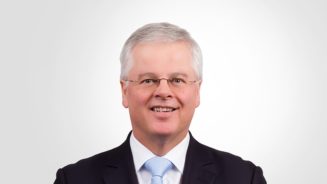
Tilney Bestinvest’s Gareth Lewis advocates a cautious approach in the wake of Brexit and the continuing low interest rates and quantitative easing climate, with investment in gold proving a successful option.

Tilney Bestinvest’s Gareth Lewis advocates a cautious approach in the wake of Brexit and the continuing low interest rates and quantitative easing climate, with investment in gold proving a successful option.

The world remains mired in the problems created by excess liquidity, built up over several decades, says Tilney Bestinvest chief investment officer Gareth Lewis. The process of restoring banking sector solvency is inherently deflationary.

Central banks have tried to counterbalance these forces with ultra-low interest rates and QE, but the economic effect has been muted. Its side effects on the other hand have been profound – social dissatisfaction, political instability and capital misallocation. These are the issues with which investors must now contend, he argues.

To some extent, policymakers have started to realise this and talk of fiscal solutions. This will take time, says Lewis, and may also have consequences.

“There is more talk of helicopter money,” he says. “This would probably do what payment protection insurance did and transfer money into people’s pockets, in the hope that they would go out and spend it. The danger is that it will trigger a political backlash.”

In the interim, it means tricky times for risk assets as expectations of a normalised economic recovery look optimistic. For Lewis, it suggests a cautious approach.

He believes the excessive liquidity pre-dates the financial crisis, to Alan Greenspan’s tenure at the Federal Reserve. He suggests this has long created artificially cheap money and rolling events of capital misalignment – the technology bubble, the US housing crisis and so on.


 

Pages: Page 1, Page 2, Page 3, Page 4

Tags: Brexit | Federal Reserve | Gold | Tilney Smith & Williamson

Share this article
Follow by Email
Facebook
fb-share-icon
X (Twitter)
Post on X
LinkedIn
Share

Related Stories

  • rachel-reeves

    Latest news

    UK Spending Review draws tax hike speculation – may be good for housebuilders, REITs

    Alternatives

    Industry reacts as Trump imposes tariffs across the globe

  • Investment

    Bank of England cuts base rate to 4.5% as ‘stagflationary thesis remains’

    Alternatives

    Geoff Cook on global trends amid Trump inauguration


NEWSLETTER

Sign Up for International
Adviser Daily Newsletter

subscribe

  • View site map
  • Privacy Policy
  • Terms and Conditions
  • Contact

Published by Money Map Media – part of G&M Media Ltd Copyright (c) 2024.

International Adviser covers the global intermediary market that uses cross-border insurance, investments, banking and pension products on behalf of their high-net-worth clients. No news, articles or content may be reproduced in part or in full without express permission of International Adviser.