Skip to content
International Adviser
  • Contact
  • Subscribe
  • Regions
    • United Kingdom
    • Middle East
    • Europe
    • Asia
    • Africa
    • North America
    • Latin America
  • Industry
    • Tax & Regulation
    • Products
    • Life
    • Health & Protection
    • People Moves
    • Companies
    • Offshore Bonds
    • Retirement
    • Technology
    • Platforms
  • Investment
    • Equities
    • Fixed Income
    • Alternatives
    • Multi Asset
    • Property
    • Macro Views
    • Structured Products
    • Emerging Markets
    • Commodities
  • IA 100
  • Best Practice
    • Best Practice News
    • Best Practice Awards
  • Media
    • Video
    • Podcast
  • Directory
  • My IA
    • Events
    • IA Tax Panel
    • IA Intermediary Panel
    • About IA

ANNOUNCEMENT: Read more financial articles on our partner site, click here to read more.

Asian equities defy Trump

By Kirsten Hastings, 22 Feb 17

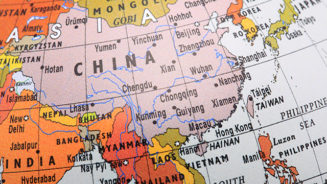
Asian equities have given the US the finger. Despite Trump rejecting the TPP, the Asia stock market, as measured by the MSCI Asia ex Japan, was up 3.8% in sterling terms in January – a much better start to the year than all other major markets, bar Latin America.

Asian equities have given the US the finger. Despite Trump rejecting the TPP, the Asia stock market, as measured by the MSCI Asia ex Japan, was up 3.8% in sterling terms in January – a much better start to the year than all other major markets, bar Latin America.

In fact, despite a dodgy start to 2016, Asian equities have actually had a good 12 months, returning 40.89% for investors.

Admittedly it’s been from a low base, but while all eyes have been on the UK and US stock markets reaching all time highs, Asian equities have been quietly grinding upwards.

Unlike the US stock market, which in my view at the current levels is an accident waiting to happen, I think Asian equities are an attractive investment right now. Yes, there are risks, but there are also plenty of opportunities.

The raising rate cycle in the US could be seen as a negative, but most of Asia is now in much better shape than it was in the 2013 taper tantrum. Debt and inflation are at sensible levels.

China is the obvious fly in the ointment. Its economy is slowing but actually growth rates are still at a level any developed market leader would give their right arm for. And yes, there has been a misallocation of capital but, by and large, this has been in the state-owned enterprises. And China has been quick to step in and put forward its own alternative to the TPP, of which it was never part.

The 16-nation Regional Comprehensive Economic Partnership it has proposed is not as all encompassing as a US-led TPP would have been but, if successful, could very well establish Asia as the world’s trading powerhouse. 

The growth of the Asian consumer is one of the few uninterrupted trends in the past couple of decades. Asia is the world’s largest continent, with 50 different countries and 4.5 billion people. Inter-regional trade will still be huge. You can almost see the continent shrugging its shoulders: so what if the US doesn’t want to do business with it?


Pages: Page 1, Page 2
Share this article
Follow by Email
Facebook
fb-share-icon
X (Twitter)
Post on X
LinkedIn
Share

Related Stories

  • Asia

    Why AES International is attracting the next generation of financial advisers  

    Dr Lisa Lim

    Asia

    Rathbones AM launches new Asia ex-Japan fund

  • Asia

    FCA establishes presence in Singapore as watchdog focuses on new priority markets

    Asia

    Former Goldman Sachs exec joins Capital Group in Singapore


NEWSLETTER

Sign Up for International
Adviser Daily Newsletter

subscribe

  • View site map
  • Privacy Policy
  • Terms and Conditions
  • Contact

Published by Money Map Media – part of G&M Media Ltd Copyright (c) 2024.

International Adviser covers the global intermediary market that uses cross-border insurance, investments, banking and pension products on behalf of their high-net-worth clients. No news, articles or content may be reproduced in part or in full without express permission of International Adviser.