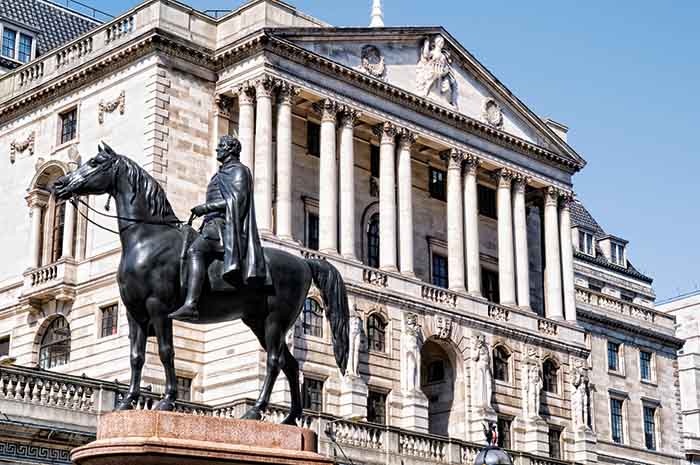
The Bank of England (BoE) has reduced the base rate by 0.25 percentage points to 3.75%, marking its fourth and final rate cut of the year.
It comes after inflation fell slightly to 3.2% in the year to November, down from 3.6% the previous month. Isaac Stell, investment manager at Wealth Club, said this gave the BoE “sufficient cover” to cut interest rates amid an “economically bleak mid-winter” for the UK.
“With inflation having declined so steeply in November, traders have ramped up bets for additional rate cuts in 2026, the effect of which helped push the FTSE 100 closer to the elusive 10,000 mark, a poignant reminder that the stock market is not the economy,” Stell said.
“Further rate cuts in 2026 should provide consumers with the confidence to splurge rather than save, which will help boost economic growth. The Treasury and the government will certainly be looking on in hope of an economic Christmas miracle.”
Holly Tomlinson, financial planner at Quilter, said the rate cut may be felt by pension scheme members, as well as savers and mortgage holders.
“For members of defined benefit schemes, lower rates tend to increase transfer values, as future guaranteed income is discounted at a lower rate,” she said. “For those with defined contribution pensions, rate cuts can be supportive of growth assets such as equities, but may also weigh on bond yields, underlining the importance of appropriate asset allocation rather than reacting to short-term rate moves.”