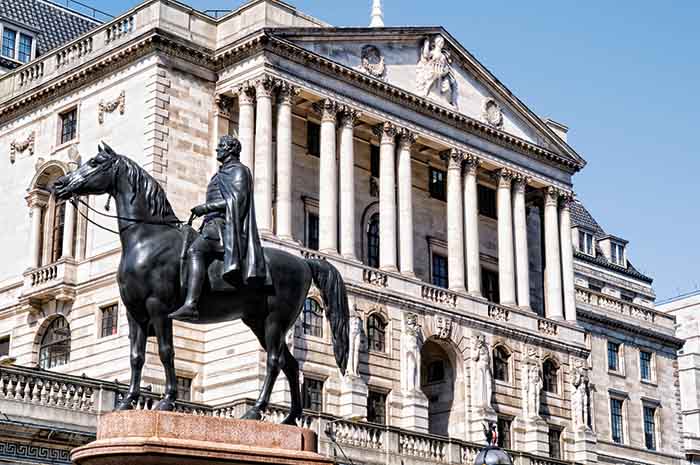
The Bank of England has held its base rate at 3.75% over concerns that the ongoing conflict in the Middle East will push up energy and food prices, raising the UK’s inflation rate.
All nine members of the Monetary Policy Committee (MPC) voted in favour of holding the rate at its current level, which has been in place all year so far.
The UK’s base rate had been predicted to gradually come down over the course of 2026, but the war in Iran has shifted expectations significantly, stoking inflation and therefore forcing policy makers to change course.
Economists now widely predict the rate will rise later this year rather than fall, keeping interest rates on mortgages, savings accounts and other lending products in the UK high.
Uncertainty about the fallout of the war and rising oil prices has also hit markets around the world, with most indeces seeing steep sell-offs and heavy losses over the past few weeks.
Sanjay Raja’s, chief UK economist at Deutsche Bank, said: “The probability of hikes will have risen meaningfully following today’s decision with all members noting that they will know more by the April decision.
“In some way, this is the new and important benchmark. If we get no clarity or resolution on the war, we will likely see a pivot in policy. Put simply, rate hikes are now a real risk for the economy.
“There is now a lot of pressure for fiscal policy to respond to guard against rate hikes. Chancellor Reeves’ timeline to respond has been shortened. And the prospect of rate cuts now seems like a distant memory – at least for the coming quarters.”