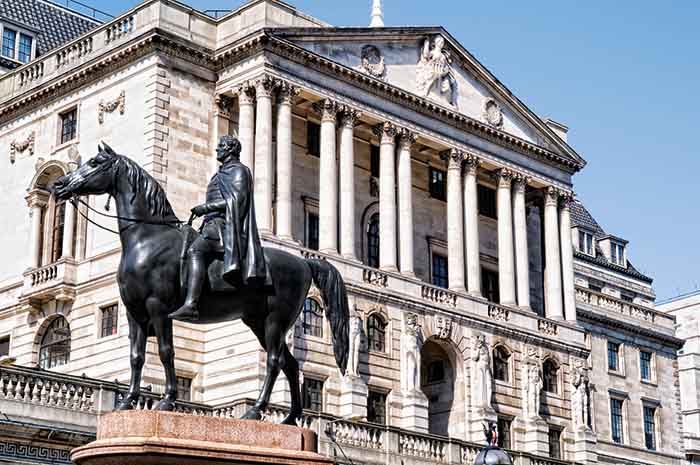
In a July speech, Bank of England governor Mark Carney forecast UK GDP losses if the US increased tariffs 10-percentage points would be close to 2%.
When it comes to the effects of the trade war alone, Carney said the US would take a 2.5% hit to GDP, while the global economy would be spliced by 1%. However, tighter financial conditions, greater uncertainty and permanent tariffs would cause a further hit.
“The hit to global and UK GDP would be substantially greater if everyone put up tariffs against everyone else,” Carney said.
Safe geographies?
Jose Garcia Zarate, associate director at Morningstar, says sectors and styles, such as small vs large cap, may be more important sources of safety rather than geographies.
Likewise, Ben Yearsley, director at Shore Financial Planning says there would be no country or region as particularly a safe haven.
However, Andrew Harman, portfolio manager, First State Diversified Growth Fund, said domestically-focussed countries like India could be less impacted, while export-led manufacturing economies like Germany are at the most risk.
Commodities and defensives
Commodities and gold could be the best place to hide due to a rise in global inflation, Yearsley says, as well as dollar and yen assets.
“Another area that might be safer is smaller companies, which tend to be more domestically focused,” he says. “For example, in the US, smaller companies generate 85% of their revenues domestically.”
Globalisation means there possibly isn’t any economy that would be unscathed, says Darius McDermott, managing director at Chelsea Financial Services.
“Instead, I’d say it’s better to look at more defensive sectors, rather than regions. Cyclical sectors, miners, oil & gas and financials are likely to be hardest-hit, while utilities and healthcare should offer greater protection.”
Sterling depreciation
Garcia Zarate says the BoE has forecast that the UK would be somewhat less impacted because of cumulative effects of the depreciation of sterling since the EU referendum.
“I’d say that this also reflects the fact that the UK economy is not export-oriented, and so one would expect it to suffer less in terms of trade. Where it would suffer – as well as others – is in terms of inflationary pressures.”
Harman says despite any escalation being centred around the US and China, knock-on effects are likely.
“Canada, Japan and the EU all have their own vested interests in these negotiations and the potential for escalation is a growing risk,” he says.
Inflationary pressures
Inflation protection would be important in the event of a full-blown trade war, says Garcia.
He says large cap multinationals tend to derive most of their revenues from non-domestic markets and built around multi-country supply chains, making them more likely to be impacted by trade barriers.
However, he says that while small and medium sized companies with a domestic focus should in theory be better placed to weather the situation, inflationary pressures would lower disposable income and could potentially lower domestic demand.
Like McDermott, he points to defensives as a potential way to navigate the storm.
Basic consumer staples and healthcare have more inelastic demand he explains. “Irrespective of whether the economy goes into recession, one still needs to eat and take medicine,” he says.
Inflation-linked bonds should do well too, he adds.
McDermott adds that long duration US government bonds would also look favourable because in times of panic that is often where investors turn.