Directors behind a suspected UK property ‘Ponzi’ scheme Godwin Capital have been hit by a £155m asset-freezing order.
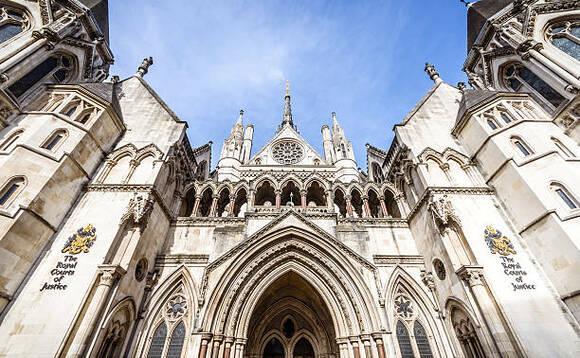
According to a report in The Telegraph, the administrators for Godwin Capital, which, as was reported here on IA, collapsed in June last year, have now successfully obtained a £155m High Court freezing order against the directors and associated companies. The order covers the business’s founders, brothers Stephen Pratt and Stuart Pratt, and two other associates.
Administrators of MHA cited mismanagement, fraudulent trading and breach of fiduciary duty when obtaining the order, according to a letter seen by The Telegraph.
The lawsuit, filed in London’s High Court in May, alleges misconduct tied to Godwin Capital No. 8, which is one of several ‘loan note’ style entities used to raise money for property developments across Britain often with promised returns of 10% or higher.
While money – said to be hundreds of millions – was flowing into these investments 10% returns were seen to be paid into investments, although often almost universally not capitalised by the original investors. Investments were sold in the UK and internationally, in some cases by financial advisers that usually operate in retail markets.
Fail
When cash stopped flowing the investments began to fail, properties did not get built and investors were told that they were unable to access any of their funds.
Investors had been told their money would be used to build residential and commercial properties, including motorway service stations, and that their loans would be secured against the properties.
Some of the projects were built, such as the Ram Jam Service station on the A1, while others were not completed once money coming through the scheme began to dry up.
After Godwin collapsed, administrators allegedly discovered that loans were not secured against properties and funds had instead been used to repay other investors in an apparent Ponzi scheme, the Telegraph report concluded.
Scandal
The Godwin scandal is understood to have links to some well-known international financial advice companies and financial advisers, but due to ongoing legal disputes between these firms and Godwin, they cannot be named at this stage.
But IA has seen letters and sales documents connecting these firms to sales of the Godwin products made by advisers working directly for them at the time. Huge commissions often up to 10% of the investment were received by advisers that brought their clients to Godwin.
These ‘loan notes’ are usually unregulated and should only be available to sophisticated investors that fully understand the risk involved.