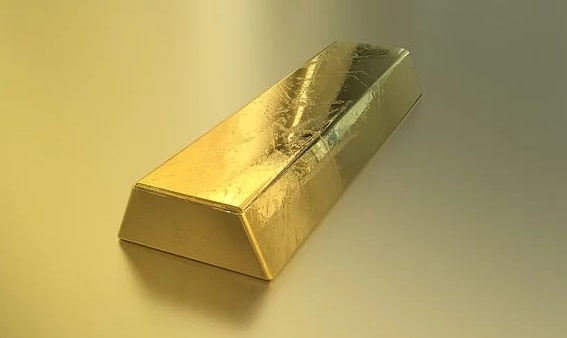
Yet, despite the fact that we have seen the dollar hit a historical high, strong US employment figures pointing to a June rate hike, India’s delay in scrapping its import duty on gold and risk sentiment fall after the possible exit of Greece from the Eurozone, Gold prices have held up well.
This represents a real opportunity for gold investors as gold moves below $1,200oz.
The US Dollar Index, a measure of the value of the US dollar, hit a high not seen since 2002, up 20% from September 2014. The Euro, over the same time period has fallen by 20% against the dollar. The British Pound has fallen by 10%. And the Japanese Yen has fallen close to 15% from September.
This means that buying gold has become that much more expensive for non-USD denominated investors.
The latest US employment data saw the US unemployment rate drop to 5.6%, providing the US Federal Reserve enough ammunition to begin raising rates in June this year.
This has pushed gold prices lower as gold has been used as a hedge against the fear of rising inflation in the face of low interest rates.
In India, the government failed announce a widely expected cut in the duty on gold imports which has been in place for well over a year in an effort to help manage India’s current account deficit.
This has delayed the physical demand for bullion and jewellery into the world’s largest gold market.
And finally, fears over another Eurozone crisis stemming from a possible exit by Greece from the currency union originally saw gold increase in value over January, only to see it come off over February as the crisis was abated.
This, combined with a ceasefire in the Ukraine has allowed market to calm and gold prices fall.
Long run
Yet, despite all this, gold has held up well, only down a few percentage points year-to-date.
Gold prices could move lower but would only signify a good buying opportunity for the long run.
As the US Federal Reserve steps away from the Quantitative Easing pumps the ECB has taken over. And in the face of a drop in global inflation and a fear of slowing economic growth across much of the developed world, so far in the 2015 we have seen over 17 global central banks take steps at easing monetary policy.
This has been in the form of quantitative easing, cutting interest rates, devaluing currencies and decreasing reserve ratios for banks.
The €1.1tr ECB quantitative easing program kicked off in March 2015 will benefit gold prices on top of the mass devaluation of currencies we have witnessed so far in 2015.
Fed Chair Janet Yellen’s testimony to the US Congress added insight into the Fed’s timeline for a possible rate hike.
Chair Yellen commented that “considerable progress” has been made in the US labour market and that economic activity has gained from falling energy prices, though this effect is likely to fade.
Risks to the US economy remain broadly balanced, as potential lower global growth is counterbalanced by aggressive actions of global central banks.
When gold prices start to increase in value by significant means is anyone guess. But with falling global currency values, an eventual rise in demand from countries like India, an increase in inflationary worries tied to the vast amount of money being pumped into the global economy and the increasing costs of gold production which are estimated to be between $1,200-$1,300oz, gold prices definitely do offer an real opportunity with prices where they are today.