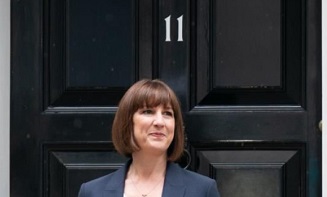
UK Chancellor Rachel Reeves’ Spending Review statement delivered in the House of Commons earlier today UK time has drawn comments on just how little room for fiscal manoeuvre she has given the commitments now outlined for departmental spending – leading to speculation of tax hikes.
Niall McDermott, Co-Manager of Marlborough’s Bond Income and Global Bond Funds, said the Spending Review was never likely to dramatically alter the direction of the UK economy.
“This was basically an allocation review rather than a macro event. Most of the announcements were just playing around the fringes while there’s little room for manoeuvre,” he said.
“The envelope doesn’t change, as the total spend was set ahead of time with the spring fiscal statement. So this was really about divvying up between government departments that have been jousting to not have their budgets squeezed.
“That being the case, market reaction was muted. In essence, most of the Review wasn’t going to be material for the overall direction of the UK economy – and gilt markets basically ignored it.
“Autumn is likely to matter more. For now, the UK remains on a tightrope, with Reeves balancing keeping promises to not increase taxes on the one hand with spending needs on the other.
“Ultimately, our view is that her fiscal rules are likely to end up becoming a headwind to growth. They leave such narrow room for manoeuvre that tax hikes look more likely.”
Market calm before possible storm
Susannah Streeter, Head of Money and Markets, Hargreaves Lansdown, echoed the sentiment, stating: “Rachel Reeves’ spending plans have been greeted by a calm reaction from financial markets. The pound has flexed its muscles against the dollar, amid hopes for better growth prospects ahead. The FTSE 100 is hovering near a record high, while the domestically-focused FTSE 350 has gained ground.”
“Housebuilders are among the biggest gainers today, after the Chancellor pledged to spend £39bn on affordable homes. Primary Health Properties looks set to be a beneficiary from the boost to NHS Budgets. The real estate investment trust, specialising in renting out GP surgeries and other healthcare facilities, now has sturdier funding streams ahead. Shares are up 3%, gaining more ground as the Chancellor spoke.
“It’s been less than a year since the government took power, and its priorities have shifted as global events appear to have overtaken domestic politics. While going for growth and fixing the NHS are still central to the decisions made in this Spending Review, bolstering the nation’s defence is now an urgent pressing need. Much of this had already been factored in, so there have not been big moves in defence contractors today.
“Key to the Spending Review was not scaring away investors in UK government debt. The UK needs to keep them onside, to keep the costs of borrowing lower, as if the UK is seen as fiscally untrustworthy, gilt holders demand more bang for their buck to bankroll the nation. For now, it seems to have done the trick. UK 10-year gilt yields have edged up slightly but remain lower than levels reached earlier in the session. It indicates government’s latest tax and spending plans have not ruffled more feathers among bond investors. Hopes appear to be kept alive that the focus on infrastructure spending will provide the essential ingredient to boost growth, which could increase the tax take and relieve pressure on government finances ahead.
“There are still plenty of known unknowns lurking in this Spending Review. Movements in gilt markets aren’t solely linked to UK policy, yields also have a history of moving in the direction of Treasuries, US government debt. With concerns remaining over the impact on US debt of Trump’s big tax and spending bill, there is the potential for UK government borrowing costs to rise further. It’s unclear how effective the planned boost to productivity though AI initiatives and other programmes aimed at boosting public sector output will be.
“The Chancellor is still walking a tightrope. The economy is hemmed in by slowing global growth due to tariffs, reducing the tax take. Defence spend is rising, borrowing costs remain elevated, and there’s continuing political clamour for more concessions for vulnerable groups. Tweaking tax in some way at the Budget in the autumn has been ruled out but could be necessary. How big fiscal changes may be, will depend on what happens in the months ahead.”
The £39bn question
Daniel Austin, CEO and co-founder at ASK Partners, said: “The Chancellor’s commitment of £39bn to affordable and social housing is a long-overdue but hugely welcome intervention. This funding, if deployed effectively, could mark a turning point in tackling the UK’s deep-rooted housing crisis. Crucially, investment must now be matched by urgent planning reform, proper resourcing of local authorities, and meaningful support for SME housebuilders.”
“Labour’s target of 300,000 homes a year has been pledged before but never met. To succeed, this government must take bold, pro-growth steps, freeing up brownfield sites, embracing technology in planning, and ensuring lenders support a broader range of borrowers. Significant investment in transport networks will encourage developers to build near new transport hubs, while more social housing will take pressure off the private rented sector and help balance out prices.”