Next year is shaping up to be yet another eventful year for investors, who will no doubt be looking to their advisers for support, reassurance, and a steadying influence.
These are key aspects of the service that advice professionals provide for their clients, presenting endless opportunities for them to highlight the value they deliver. Setting clear expectations around market volatility, reinforcing the long-term nature of investing amid short-lived disruption, and keeping clients focused on progress toward their goals all help to dull the market noise.
We know from our own research that financial coaching, setting clear expectations, and helping to avoid bad decisions are significant reasons why clients trust and continue to work with financial advisers.
However, our research also indicates that clients often have little awareness of these valuable attributes. To them, it’s just part of the advice relationship. They may also have little understanding of the time and effort involved, which is as it should be. They engage in financial planning at least in part to avoid worrying about market performance or potential impacts from tariff announcements or political unrest.
This aside, the fact remains that a substantial amount of effort and resource goes into keeping clients informed and on track with their plans. This places a disproportionate burden on the smaller advice firms that make up the vast majority of our industry.
It’s a juggling act
The advice firms we work with closely are generally small, employing professionals who juggle numerous roles and responsibilities across the business. It’s clear that this creates both a practical and cognitive burden on these smaller firms.
Challenges we frequently hear from advice professionals include:
- A lack of dedicated resource: keeping track of market events and movements is a job in itself, never mind trying to do this alongside day-to-day business, and with a limited budget for research and subscriptions.
- Need for regular, timely contact: while most firms keep in regular contact, making sure clients are well aware of the investing landscape, rapid reassurance may still be needed in response to certain market events.
- Little or no compliance support: while an essential aspect of delivering good client outcomes, it’s another demand on time and limited resource.
Outsourcing, but keeping the personal touch
Outsourcing as much as possible is the best option for many, whether it’s for research, materials to share, compliance, or investments via an MPS or multi-asset fund. By reducing the time and resource drag, firms can free up valuable time to spend with clients.
Some of the best opportunities for investment growth can be found in ‘unloved’ assets that have fallen out of favour and now trade below their fair value. These may be in niche sectors or regions that require specialist knowledge and awareness. Outsourced portfolios alleviate the workload and ease the pressure.
More firms are leveraging AI to reduce the administrative burden, allowing them to focus on more meaningful client interactions. This distinction is crucial and is clearly reflected in our behavioural science research – clients’ acceptance of their financial advisers using AI depends significantly on its application.
Administration, research or generic marketing material are all fine. Personalised updates or emails on the other hand, which are assumed to have come from the adviser but are in fact AI generated, can cause lasting damage to the relationship, fracturing trust. The human touch is one thing AI cannot replicate, nor should it.
Getting ready for 2026
These themes resonate with the feedback from smaller advice firms, especially noted in an exit poll from our 2026 investment outlook webinar. Responses highlighted the importance of helping clients remain invested (in every sense) during periods of volatility.
One of the most frequent responses was around ensuring clients understand the long-term nature of investing. Within this lies the setting of clear expectations that volatility is simply part of investing. It’s not a case of ‘markets may go down as well as up’ – they will, and more than once.
Volatility and uncertainty will continue into 2026 as prominent features of the investing landscape – there’s no question of that.
While the smaller advice firms which largely make up our webinar audience are understandably concerned about supporting clients and helping them to avoid damaging behaviours, they’re positive about the potential to improve client experiences and supporting them towards achieving meaningful goals.
Smaller advice firms in particular do an incredible job of juggling their day-to-day demands with keeping their clients informed, reassured and on-plan. Anything which can make their lives easier while helping them to deliver a great customer experience is a win.
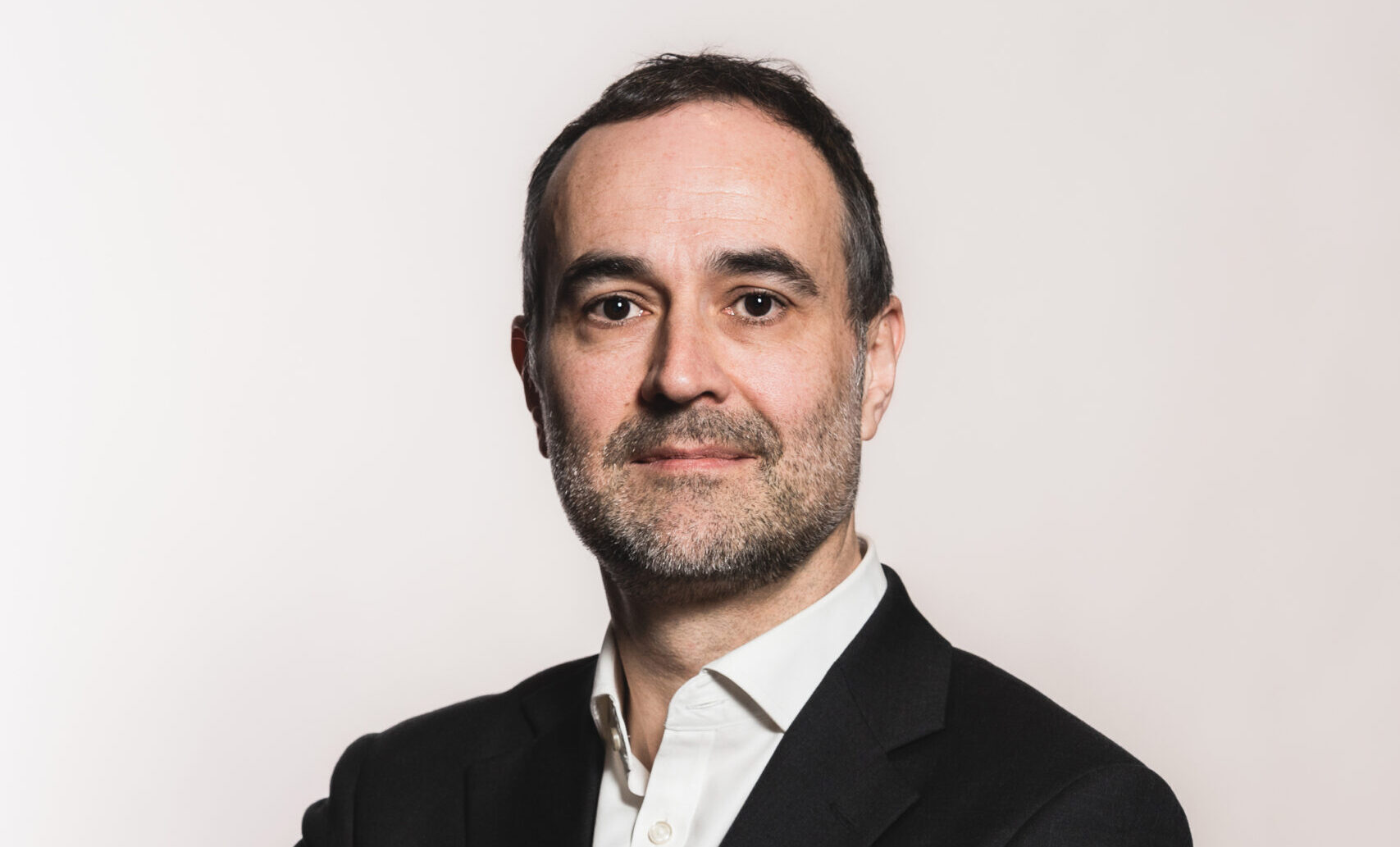
Ben Lester (pictured above) is head of distribution at Morningstar Wealth