Industry figures feel the cold calling ban, which comes into effect on 9 January 2019, is only one step towards fighting pension scams in the UK.
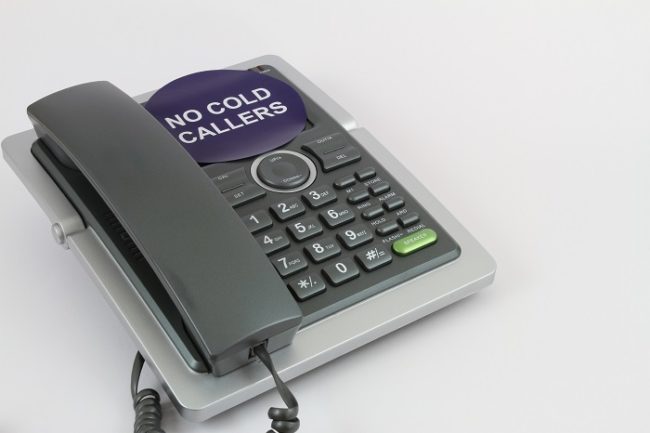
Four years after pension freedoms were introduced, the UK government has finally banned pension cold calling, where companies that make unwanted, unsolicited phone calls to people about their pensions may face enforcement action, including fines of up to £500,000 ($636,000, €556,000).
Research by the Money Advice Service, in 2017, found that there could be as many as eight scam calls every second – the equivalent of 250 million calls per year. Also, according to the Financial Conduct Authority (FCA), pension scammers stole on average £91,000 per victim in 2017.
But Tom Selby, senior analyst at AJ Bell, said: “Prohibiting cold-calling is only part of the solution and will by no means eradicate the threat of scam activity altogether.
“Pensions remain a juicy target for fraudsters and some will inevitably look to circumvent the ban or simply ignore it altogether.
“The message to retirement savers from now on is crystal clear: if someone you don’t know calls out of the blue about your retirement pot, hang up the phone.”
New tactics
Alistair Wilson, Zurich’s head of retail platform strategy, said consumers can’t afford to let down their guard as pension fraudsters are likely to “evolve new tactics to sidestep the ban” and as overseas calls are not covered by the clampdown it could present “a potential loophole for scammers operating from overseas”.
Glyn Taylor, financial mis-selling solicitor at Anthony Philip James & Co, added: “We believe the new cold calling rules are a good starting point.
“While this is a move in the right direction, the ban on cold calls does not cover companies operating overseas. In our experience, this is where the majority of bad investment advice originates meaning the new rules do not cover the root of the problem.
“Unfortunately, scam operators continue to evolve their business practices and scams are becoming more and more sophisticated. Excluding overseas calls could lead to a rise in the number of pensions being shifted into unregulated and risky SIPPs.
“We might also see unregulated advisors moving out of the UK but continuing their operations overseas to circumvent the ban, making it more difficult for customers to recoup any losses.”
However, Kate Smith, head of pensions at Aegon, believes that the ban will “send a clear message to scammers that unsolicited calls to people about their pensions won’t be tolerated”.
She added: “While the ban will go some way in preventing scam activity and protecting individuals and their savings, there is still considerable work to be done to educate the public, so people are aware that cold calling is illegal.”
Details of ban
The ban prohibits cold-calling in relation to pensions, except where:
• The caller is authorised by the FCA, or is the trustee or manager of an occupational or personal pension scheme, and
• The recipient of the call consents to calls or has an existing relationship with the caller.
Parliament passed the amendment motion on 18 December 2018, and the statutory instrument was signed the day after.
According to the amendment, “a person must not use, or instigate the use of, a public electronic communications service to make unsolicited calls to an individual for the purpose of direct marketing in relation to occupational pension schemes or personal pension schemes”.
Guy Opperman, minister for pensions and financial inclusion, said: “Pension scams are despicable crimes, fleecing people of the retirement they’ve earned by doing the right thing, working hard and saving for the future.
“Banning pensions cold-calling will protect people from these callous crooks and ensure fraudsters feel the full force of the law.”
Anyone looking for help on their pensions can visit Pension Wise, a free and impartial service, which is delivered by the Single Financial Guidance Body.