After more than twenty years based in Dubai, I’ve watched this region navigate geopolitical uncertainty with remarkable stability. The economic fundamentals, the infrastructure, and the long-term growth trajectory remain as compelling as ever.
The headlines about regional tension do not change that picture in any meaningful way. The UAE remains an incredible place to work, live, and build a flourishing future.
But globally mobile families are, by definition, mobile. Some will have already relocated — temporarily or permanently — to the UK, the US, or Europe. Others manage affairs across multiple jurisdictions. And for those clients, there is a specific and under-appreciated risk that demands attention right now: the risk of accidentally triggering tax residency in a high-tax Western jurisdiction without realising it has happened.
The mechanism most clients don’t understand
Western tax authorities do not wait to be informed of a change in residency. They determine it themselves – based on day counts, family ties, accommodation, and economic connections – often regardless of a client’s intentions.
A client who was based in the UAE and relocates to the UK, even temporarily, can become an accidental UK tax resident through a combination of accumulated days and strengthened ties. A short-term rental. Children enrolled in school. A pattern of extended stays that exceeds the thresholds under the UK’s Statutory Residence Test.
The year of transition is almost always the most costly. Dual residency – being a tax resident in two countries simultaneously – is not unusual in the year of relocation. It creates overlapping obligations on income, gains, and reporting that treaty tie-breaker provisions can resolve, but only where the right evidence is already in place.
For clients moving from zero-tax jurisdictions, the exposure is acute. Their financial life has been structured around a tax-free environment. The moment UK, US, or European residency is triggered, that entire picture changes – not gradually, but immediately.
The specific risks by jurisdiction
UK. The Statutory Residence Test evaluates days, ties, and automatic criteria. Clients who have family in the UK, own or access property there, or have children who could be enrolled locally are most at risk. Becoming a UK tax resident triggers worldwide income and capital gains tax exposure – and after ten or more years of UK residency, an inheritance tax tail that follows clients globally even after they have left.
US. American nationals have no tax-free option. They remain US taxpayers regardless of where they live and must file annually on worldwide income. For non-citizens, the Substantial Presence Test can trigger residency through a weighted three-year calculation, bringing FBAR and FATCA reporting obligations even where no additional tax arises.
Europe. Most European jurisdictions apply a 183-day threshold alongside qualitative assessments of permanent home and centre of vital interests. Investment income accumulated while offshore can fall into European tax scope from the date residency is established.
What advisers should be doing
The clients most at risk are often the least likely to raise it themselves. They are managing a period of disruption – professional, personal, or logistical – and are not focused on day counts or residency thresholds. That is precisely why advisers need to raise it proactively.
The conversation is not complex. It centres on three things: where the client is physically spending time, what ties they are establishing in each jurisdiction, and whether they are retaining evidence of their existing residency status – tax certificates, tenancy agreements, utility records – that will support their position if it is ever challenged.
The transition year is where the most options exist and where the most damage occurs. Clients who take advice before that year is over almost always have more choices than those who engage afterwards.
For a detailed guide covering UK residency rules, CGT exposure, pension implications, and the planning steps returning families should take, our full analysis is available here.
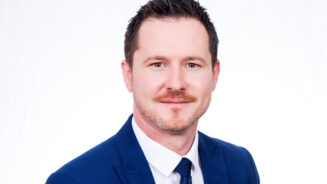
Sam Instone is CEO of AES International, the only CEFEX-certified fiduciary firm across the Middle East, Asia, and Africa.
Capital at risk. Any examples used are for illustrative purposes only, and you may get less back than the figures shown. Any financial promotions are intended for information purposes only and do not constitute an offer to invest or provide personal financial advice or tax advice. We do not take any responsibility for third-party websites and content linked to from this channel. Issued on behalf of AES Middle East Insurance Broker LLC, registered with the Ministry of the Economy, licence 571368, commercial registration 75162, regulated by the UAE Central Bank, licence no. 189. This material is intended for Retail Clients within the UAE.