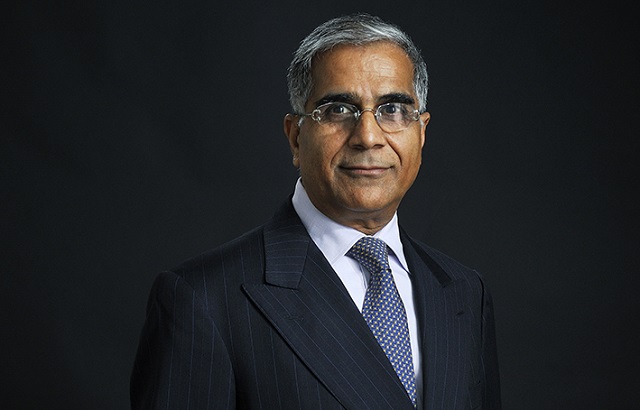
The typical retirement advertisements depict retired life with images of happy seniors lounging on a sunny beach, sipping on their piña coladas, travelling and ‘enjoying life’, says Continental’s Ashok Sardana.
But is this picture still relevant or has the concept changed?
Before I answer that, it’s worth exploring how the “classical” retirement age of 65 came about. In 1880, then German chancellor Otto von Bismarck introduced a new social security system. 65 was chosen as the retirement age out of the blue whereby the state guaranteed to provide an income to retirees for the rest of their lives. Life expectancy during that time was 45 years.
Once upon a time, people worked for 40 years, typically for one organisation and be rewarded with an expensive watch at the end of their career. Work back then was mostly physically intensive. After they retired, they’d sit in their rocking chair, spend time with their families, and then die in a couple of years.
Today, the official retirement age is still considered to be 65. Retirement planning discussions with a financial adviser revolves around asking clients how much money they require as a nest egg, so that they can have a comfortable, joyful, and happy retirement.
The average life expectancy in developed countries averages at 85. Today most of the baby boomers are not engaged in physically intensive occupations. Imagine retiring at 65 and living an inactive, boring life for the next 20 years.
Webster’s dictionary defines the word ‘retire’ as withdraw or to be put out of use.
Consider this:
- At 65, are you wiser than you were in your younger years?
- Do you have more credibility or less credibility?
- Are your richer or poorer?
- Are you more experienced or less experienced?
If you answered “yes” to any of these questions, then why should you resign while being at the top of your game?
In my view, retirement is an artificial line drawn by someone else who tells you when to stop working and being useful.
It is important to consider the fact that retiring also means withdrawing from making meaningful interpersonal connections, participating in work-related social activities, as well as from creative and intellectual stimulation.
Scientific studies have proved that people who have continued to be engaged in meaningful work have less likelihood of developing dementia diseases like Alzheimer’s. For every year you retire earlier, you lose two months of life expectancy.
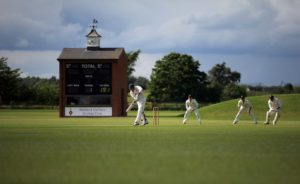
Rebalance during second innings
Instead of thinking about retirement, think about how you would like to reallocate your time. As we rebalance our investment portfolios, we have to rebalance our lives during our second innings. What kind of lifestyle would you like to lead? Where will you live? What will be your sources of income? In order to help my clients successfully plan for their future, I need to learn about their goals and plans. As we are living longer, we need to make sure we design our lives during our second innings in such a way that it’s more fulfilling and creative.
Moreover, it is also important to plan for future healthcare expenses. Ask yourself the following questions: “How will I pay for healthcare when I am older? What if I’m a caregiver? Do I have critical illness insurance? What does my medical insurance cover? Am I financially secure to indulge in various hobbies and activities?”
These are very important factors to consider, since it would be quite unfortunate to end up spending the money you have been saving over the years on unforeseen healthcare expenses.
After all, if we plan our life’s journey with a focus on our ambitions and passions, we can create lifelong growth that allows for the continuation of the activities we enjoy the most. Consequently, as we transition into the next chapters of our lives, we can turn to the next page with confidence and excitement.
I will discuss other important aspects of retirement planning in a follow-up article, to include financial aspects, disability and medical insurance, family relationships and legacy planning.